Dental Implants in Gurgaon
Best fixed teeth options by expert implantologistAffordable Global Standard Dental Implants in Gurgaon by expert dentist to restore your smile.
Dental Implants Gurgaon | Permanent Tooth Replacement at iSmile
Why Dental Implants are the Gold Standard
Missing teeth can be more than just an aesthetic concern; they affect your ability to chew, speak, and maintain the structural integrity of your jaw. At iSmile Charitable Dental Clinic, located in South City 1, Gurgaon, we specialize in dental implants—a permanent solution that mimics the look, feel, and function of natural teeth.
With over 19 years of clinical experience, our team provides affordable, high-quality implantology that serves the local community of Sector 40, Sector 41, and South City 1.
What Exactly is a Dental Implant?
A dental implant is a titanium or ceramic post that acts as an artificial tooth root. It is surgically placed into the jawbone, where it undergoes a process called osseointegration.
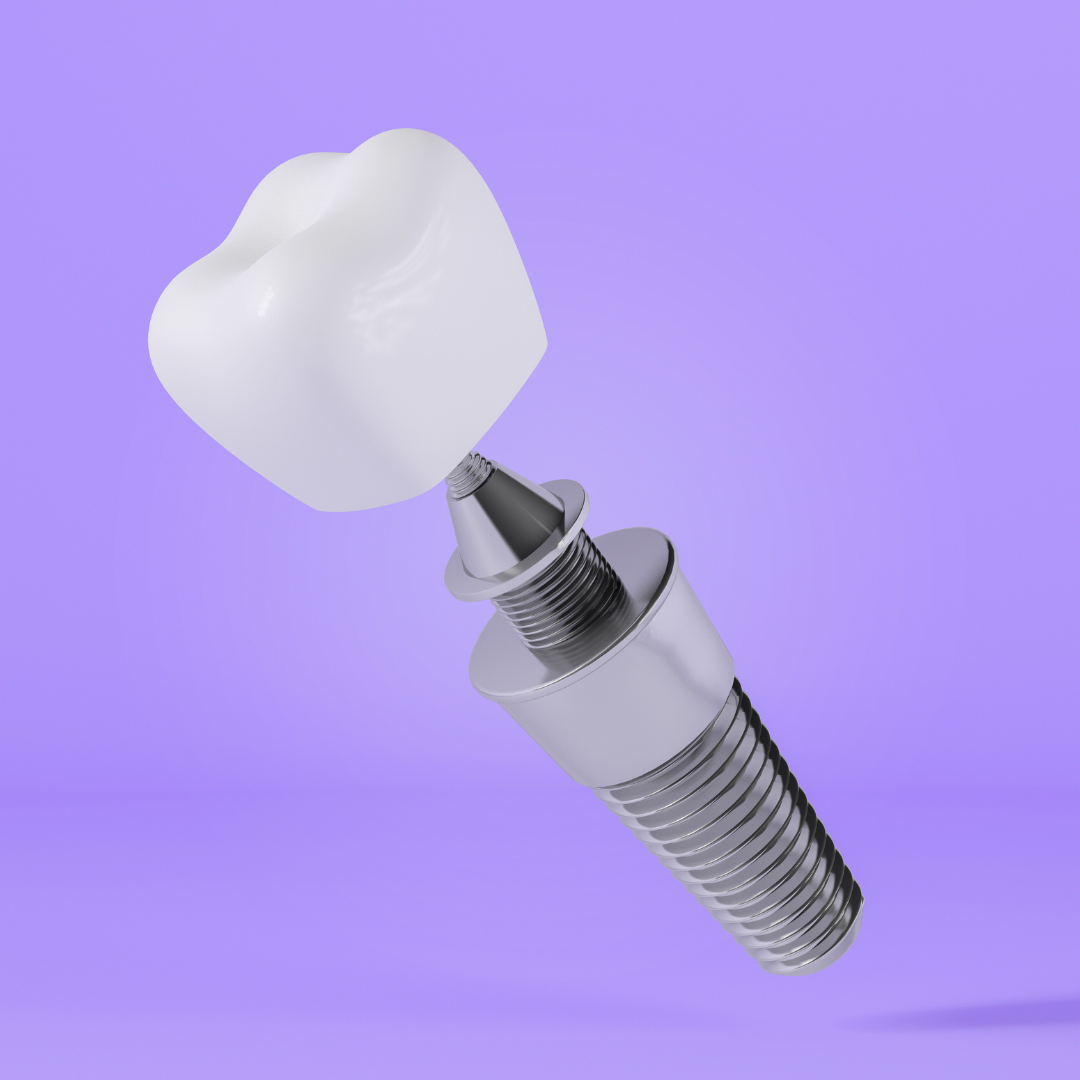
Components of an Implant:
1. The Post (Fixture): The screw-like part placed in the bone.
2. The Abutment: The connector that holds the crown.
3. The Prosthetic (Crown): The visible tooth part made of ceramic or zirconia.
The Science of Osseointegration
The reason implants are so successful is the biological bond between the metal and the bone. We explain why titanium is biocompatible and how the bone cells (osteoblasts) grow around the threads of the implant to lock it in place.
Osseointegration is the natural process that allows a dental implant to become firmly attached to the jawbone. After the implant is placed in the bone, the surrounding bone cells gradually grow and bond with the surface of the titanium implant. Over the next few weeks to months, the bone and implant fuse together, creating a strong and stable foundation similar to the root of a natural tooth.
This fusion process is what makes dental implants strong, durable, and long-lasting, allowing them to support crowns, bridges, or dentures comfortably. Once osseointegration is complete, the implant becomes a secure part of the jaw, helping restore normal chewing function and a natural-looking smile.

Types of Dental Implants Available at iSmile Gurgaon
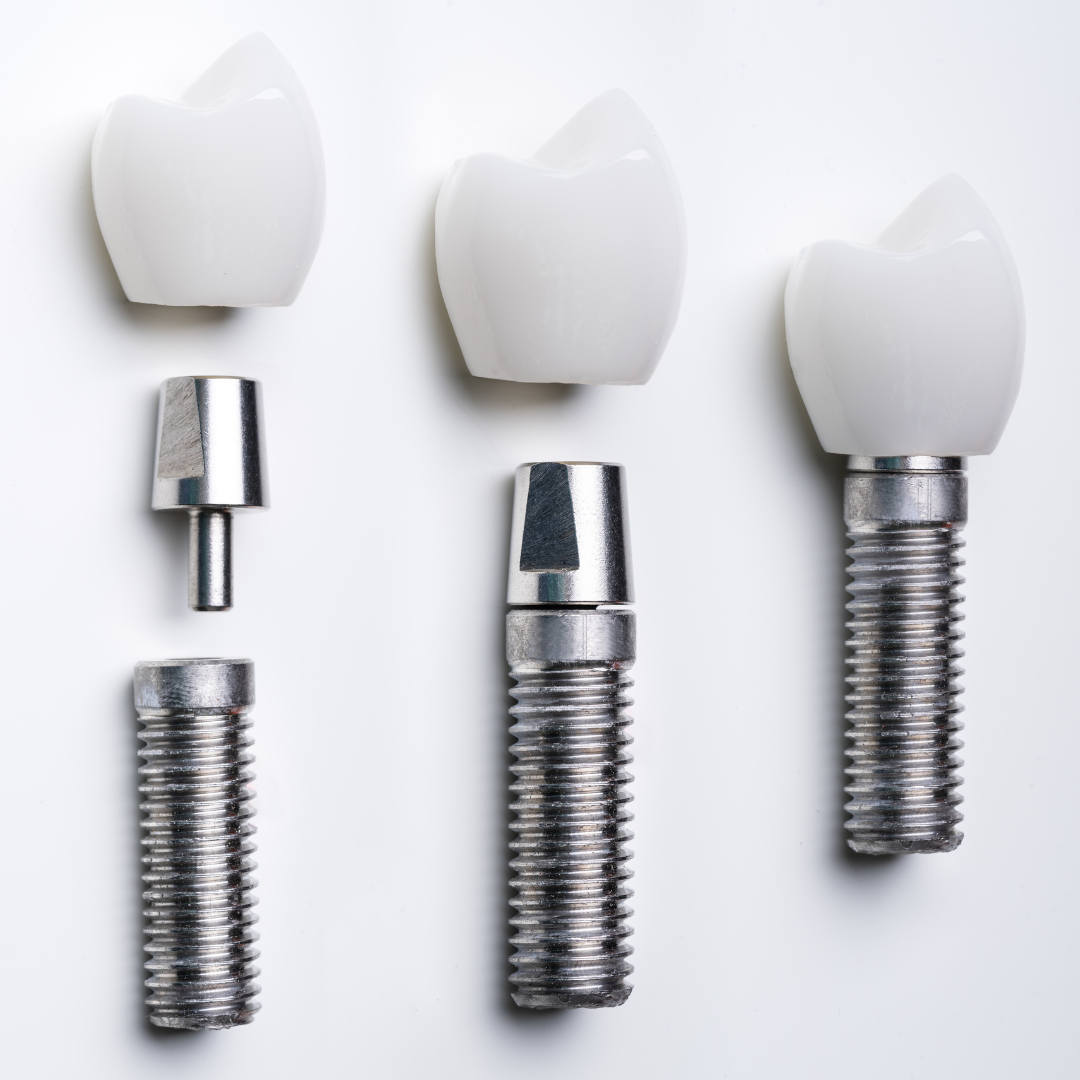
Endosteal Implants
Endosteal implants are the most common type of dental implants placed directly into the jawbone to act as an artificial root that supports crowns, bridges, or dentures.
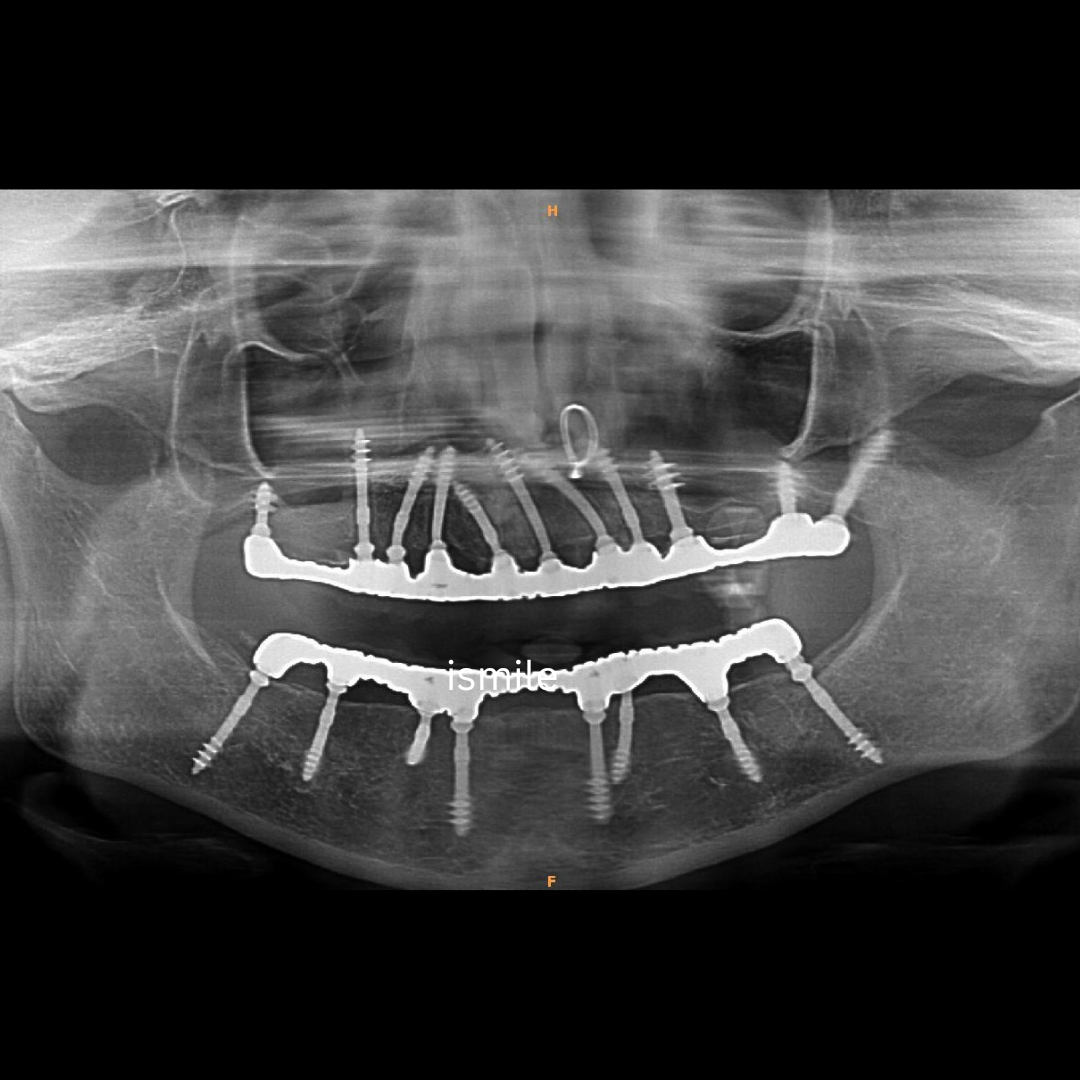
Cortical Implants
Cortical implants are advanced dental implants that anchor directly into the strong cortical bone, allowing immediate stability and faster tooth replacement even in patients with low bone density.
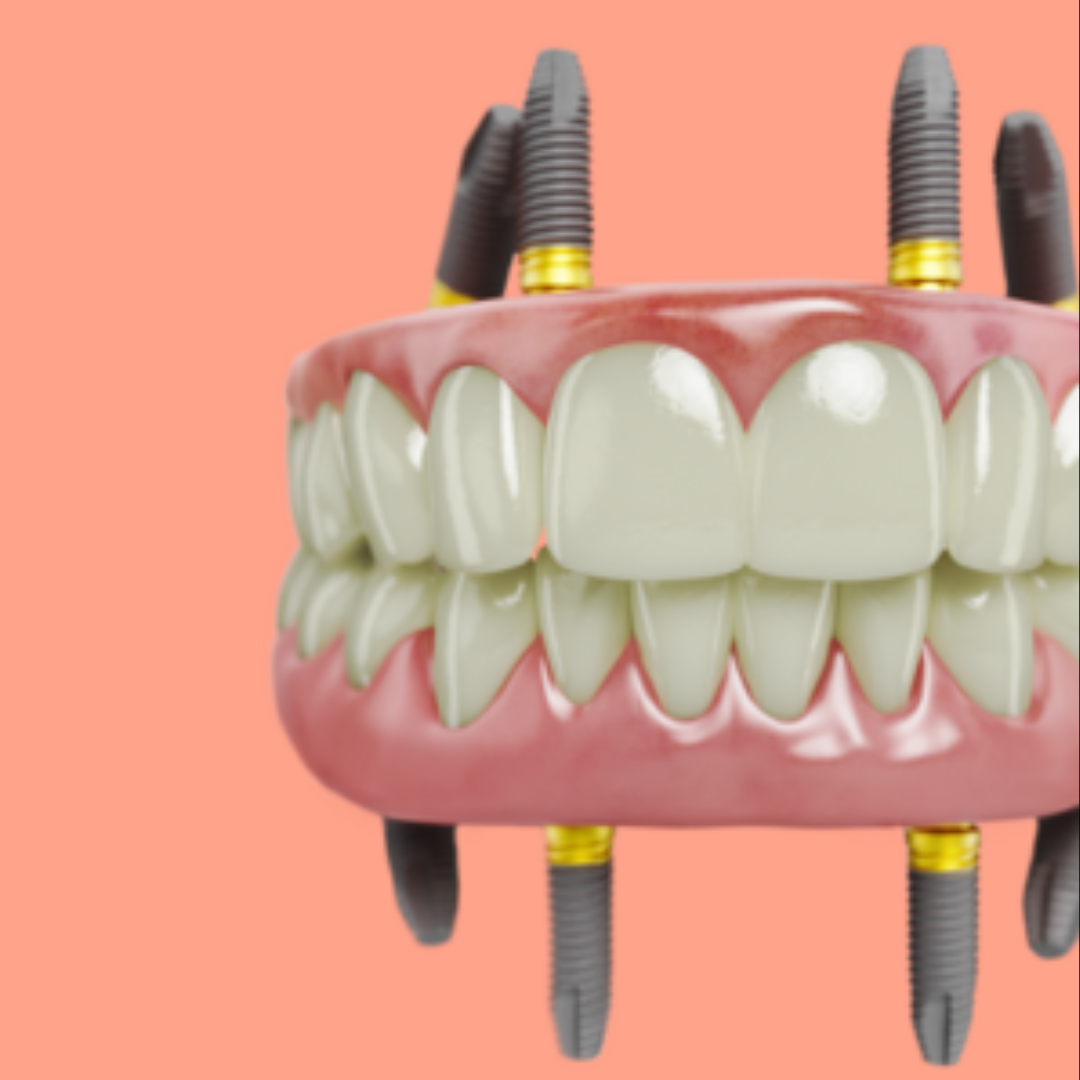
All -On-X
All-on-X implants are a full-arch tooth replacement solution where a complete set of teeth is supported by 4–6 strategically placed dental implants, providing a stable and fixed smile in a single treatment plan.
The Dental Implant Procedure: A Step-by-Step Breakdown
Initial Consultation and Examination
The process begins with a detailed dental consultation. The dentist examines your teeth, gums, and jawbone to determine if you are a suitable candidate for dental implants.
During this stage the dentist may:
Take digital X-rays or CBCT scans
Evaluate bone density
Review medical history
Discuss treatment options and costs
A personalized treatment plan is then created based on the patient’s oral condition.
Treatment Planning
Once the examination is complete, the dentist carefully plans the implant placement. This planning ensures the implant is positioned at the correct angle and depth for maximum stability and long-term success.
The treatment plan also determines:
The number of implants required
The type of implant system
Whether bone grafting is needed
This stage helps ensure predictable and successful results.
Implant Placement Surgery
The next step is the placement of the dental implant into the jawbone. The procedure is performed under local anesthesia to ensure patient comfort.
During this step:
A small opening is made in the gum
The implant (a small titanium post) is placed into the jawbone
The gum tissue is then closed around the implant
The implant acts as an artificial tooth root that will support the final tooth restoration.
Healing and Osseointegration
After the implant is placed, a healing period is required. During this time, a natural process called osseointegration occurs, where the jawbone gradually fuses with the implant surface.
This process usually takes 3 to 6 months and is essential for creating a strong and stable foundation for the artificial tooth.
Abutment Placement
Once the implant has fully integrated with the bone, a small connector piece called an abutment is attached to the implant.
The abutment serves as the link between the implant and the final dental crown.
In some cases, the abutment may be placed at the same time as the implant surgery.
Crown Placement
The final step is placing the custom-made dental crown on top of the abutment.
The crown is designed to match the color, shape, and size of your natural teeth, ensuring a natural-looking smile.
Once the crown is secured, the dental implant functions just like a natural tooth, allowing patients to chew, speak, and smile with confidence.
Aftercare and Maintenance
Proper care is essential to ensure the long-term success of dental implants.
Patients should:
Maintain good oral hygiene
Brush and floss regularly
Visit the dentist for routine checkups
Avoid excessive pressure on the implant during healing
With proper care, dental implants can last many years or even a lifetime.
The dental implant procedure is a safe and effective way to replace missing teeth. By following a carefully planned step-by-step process—from consultation to crown placement—dentists can restore both the function and appearance of a patient’s smile.
Dental implants provide a stable, natural-looking, and long-lasting solution for patients who want to regain their confidence and oral health.
Benefits of Dental Implants Over Dentures and Bridges
Dental implants are widely considered the most advanced solution for replacing missing teeth. While dentures and dental bridges have been used for many years, dental implants offer several advantages in terms of durability, comfort, and long-term oral health.
Natural Look and Feel
Dental implants are designed to look and function like natural teeth. Because they are anchored into the jawbone, they provide a stable and natural feel while speaking, eating, and smiling.
Long-Lasting Solution
Implants are highly durable and can last many years, often decades, with proper care. In comparison, dentures and bridges may need replacement or adjustment over time.
Prevents Bone Loss
When a tooth is missing, the jawbone in that area can gradually shrink due to lack of stimulation. Dental implants stimulate the bone just like natural tooth roots, helping maintain bone density and facial structure.
Improved Comfort and Stability
Unlike dentures, which can move or slip while eating or speaking, dental implants are securely fixed in the jawbone. This provides greater comfort and confidence in daily activities.
No Impact on Adjacent Teeth
Dental bridges require the surrounding teeth to be reshaped to support the bridge. Dental implants do not rely on neighboring teeth, helping preserve the health of natural teeth.
Better Chewing Ability
Implants restore strong biting and chewing function, allowing patients to eat a wider variety of foods comfortably compared to removable dentures.
Easier Maintenance
Dental implants can be cared for like natural teeth with regular brushing, flossing, and dental checkups. Dentures often require special cleaning routines and adhesives.
Improved Speech
Loose dentures can sometimes affect speech and pronunciation. Because implants are fixed in place, they allow patients to speak clearly and naturally.
Candidacy: Are You a Fit for Implants?
Dental implants are an excellent solution for replacing missing teeth, but not everyone is automatically a candidate. A dentist must evaluate certain factors to determine whether dental implants are the right treatment option for you.
1. Good Overall Oral Health
Healthy gums and a clean oral environment are essential for successful dental implants. Patients should be free from active gum disease or infections before implant placement.
2. Sufficient Jawbone Density
Dental implants need strong and adequate jawbone support to stay stable. If the bone is too thin or weak, additional procedures like bone grafting may be recommended to build the bone before implant placement.
3. Missing One or More Teeth
Implants can replace a single tooth, multiple teeth, or even a full set of teeth. They are a versatile solution for different levels of tooth loss.
4. Healthy Gums
Healthy gum tissue helps support the implant and protects it from infection. Patients with severe gum disease may need treatment before receiving implants.
5. Good General Health
Certain medical conditions, such as uncontrolled diabetes or immune disorders, can affect healing. Your dentist will review your medical history to ensure the procedure is safe.
6. Commitment to Oral Hygiene
Dental implants require proper care and maintenance. Patients must maintain good oral hygiene and attend regular dental checkups to ensure long-term success.
7. Non-Smoking or Willing to Quit
Smoking can slow healing and increase the risk of implant failure. Dentists may advise reducing or quitting smoking before undergoing implant treatment.
7. Non-Smoking or Willing to Quit
Smoking can slow healing and increase the risk of implant failure. Dentists may advise reducing or quitting smoking before undergoing implant treatment.
When Implants May Not Be Immediately Possible
Some patients may require preparatory treatments before implants, such as:
Bone grafting
Gum disease treatment
Sinus lift procedures
These treatments help create the right conditions for successful implant placement.
The best way to determine if you are a candidate for dental implants is through a professional dental consultation, where the dentist evaluates your oral health, bone structure, and treatment goals.
With proper planning and care, many patients can successfully receive dental implants and enjoy a long-lasting solution for missing teeth. At i-Smile we have advanced dental implant procedures like cortical implants for patients with bone recession, so you can get fixed teeth in 3 days.
Cost of Dental Implants in Gurgaon
The cost of dental implants in Gurgaon can vary depending on the type of implant, the number of teeth being replaced, and the overall treatment plan. At iSmile Charitable Dental Clinic, our goal is to make advanced dental treatments accessible and affordable while maintaining high standards of care.
In general, dental implant treatment in Gurgaon may range from ₹25,000 to ₹50,000 per implant, depending on the implant system used and the complexity of the case. Additional procedures such as bone grafting, sinus lift, or specialized crowns may affect the final cost.
During your consultation, our dentist will carefully evaluate your oral health, discuss the most suitable implant options, and provide a clear treatment plan with transparent pricing.
At iSmile, we believe that everyone deserves a healthy smile, which is why we strive to offer ethical, affordable, and high-quality dental implant treatment in Gurgaon.
Why iSmile is the Best Choice for Dental Implants in Gurgaon
Choosing the right dental clinic is an important step when considering dental implants. At iSmile Charitable Dental Clinic, we focus on providing reliable, affordable, and patient-centered dental care to help restore healthy and confident smiles.
Experienced Dental Professionals
Our dental team has extensive experience in implant dentistry and carefully plans each treatment to ensure safe and predictable results.
Advanced Dental Technology
We use modern diagnostic tools and implant systems to ensure accurate placement and long-term stability of dental implants.
Affordable and Ethical Dental Care
As a charitable dental clinic, our goal is to make advanced dental treatments like implants more accessible without compromising on quality.
Personalized Treatment Planning
Every patient receives a customized treatment plan based on their oral health, bone condition, and specific dental needs.
Safe and Hygienic Environment
We follow strict sterilization protocols and maintain high standards of hygiene to ensure a safe and comfortable treatment experience.
Focus on Patient Education
We take the time to explain the dental implant procedure, benefits, and aftercare so patients can make informed decisions about their treatment.
At iSmile Charitable Dental Clinic in Sector 40 Gurgaon, our commitment to quality care, affordability, and patient satisfaction makes us a trusted choice for dental implant treatment.
Frequently Asked Questions About Dental Implants
What are dental implants?
Dental implants are artificial tooth roots made of titanium that are placed into the jawbone to support replacement teeth such as crowns, bridges, or dentures. They provide a strong and natural-looking solution for missing teeth.
Are dental implants painful?
Dental implant placement is usually performed under local anesthesia, so the procedure is generally comfortable. Most patients experience only mild discomfort after the surgery, which usually subsides within a few days.
How long do dental implants last?
With proper care and regular dental checkups, dental implants can last many years and often decades. Maintaining good oral hygiene helps ensure long-term success.
How long does the dental implant procedure take?
The implant placement procedure usually takes about 30 to 60 minutes per implant. However, the complete treatment process, including healing and crown placement, may take a few months depending on the patient’s condition.
Who is a good candidate for dental implants?
Most adults with healthy gums and sufficient jawbone are suitable candidates for dental implants. A dental examination and X-rays help determine whether implants are the right option.
How much do dental implants cost in Gurgaon?
The cost of dental implants in Gurgaon can vary depending on the implant system, treatment complexity, and additional procedures required. During your consultation at iSmile Charitable Dental Clinic, a personalized treatment plan and cost estimate will be provided.
Are dental implants better than dentures?
Dental implants offer several advantages over dentures, including better stability, improved chewing ability, and a more natural appearance. They also help prevent bone loss in the jaw.
How do I care for dental implants?
Dental implants should be cared for just like natural teeth. Regular brushing, flossing, and routine dental checkups help maintain their health and longevity.
Can smokers get dental implants?
Smoking can slow healing and increase the risk of implant failure. Dentists usually recommend reducing or quitting smoking before and after implant treatment.
How can I book a consultation for dental implants?
You can schedule a consultation at iSmile Charitable Dental Clinic in Sector 40 Gurgaon by calling the clinic or booking an appointment through the website.